Stick-in
temperature probes
For measurement at the core of the product.
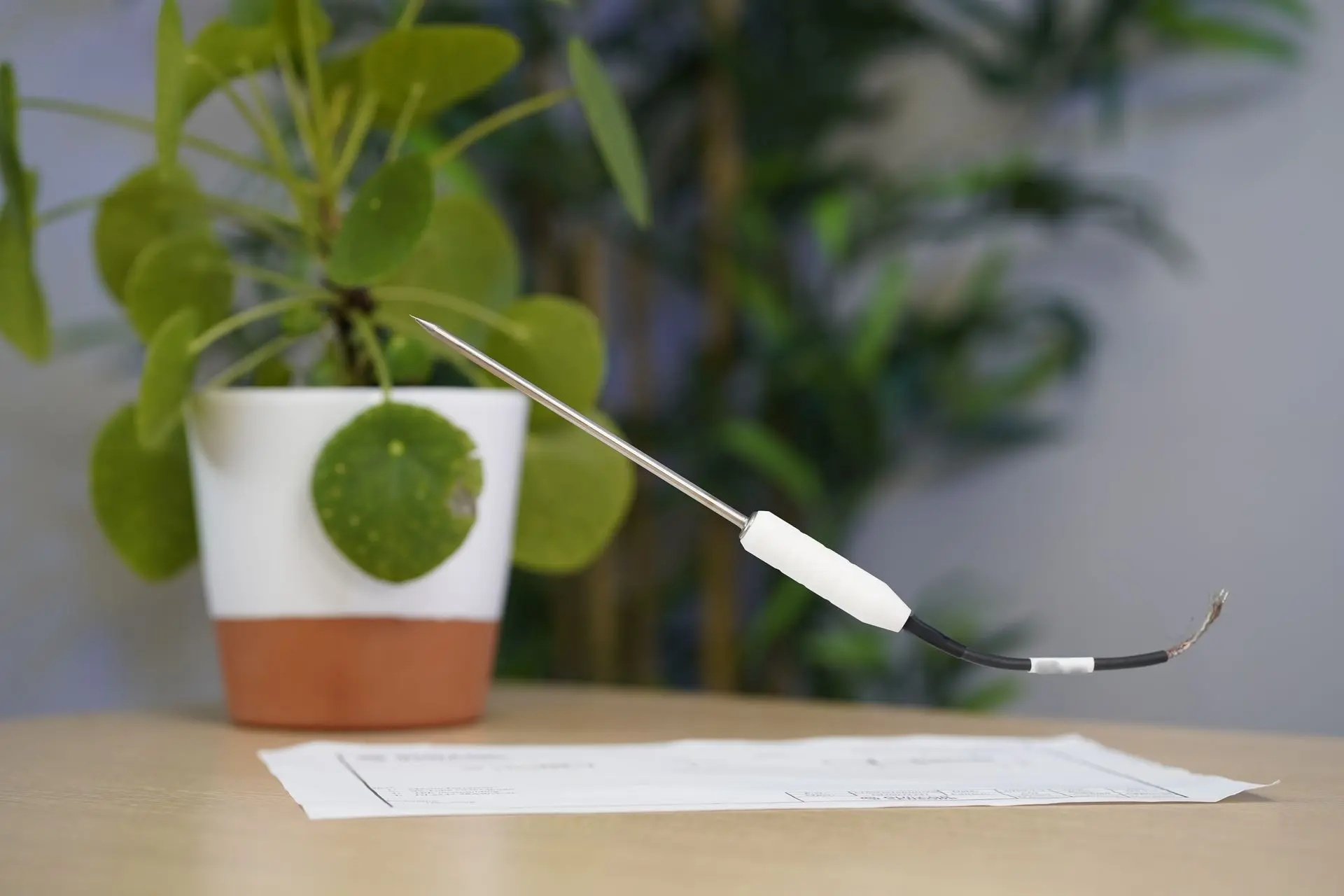
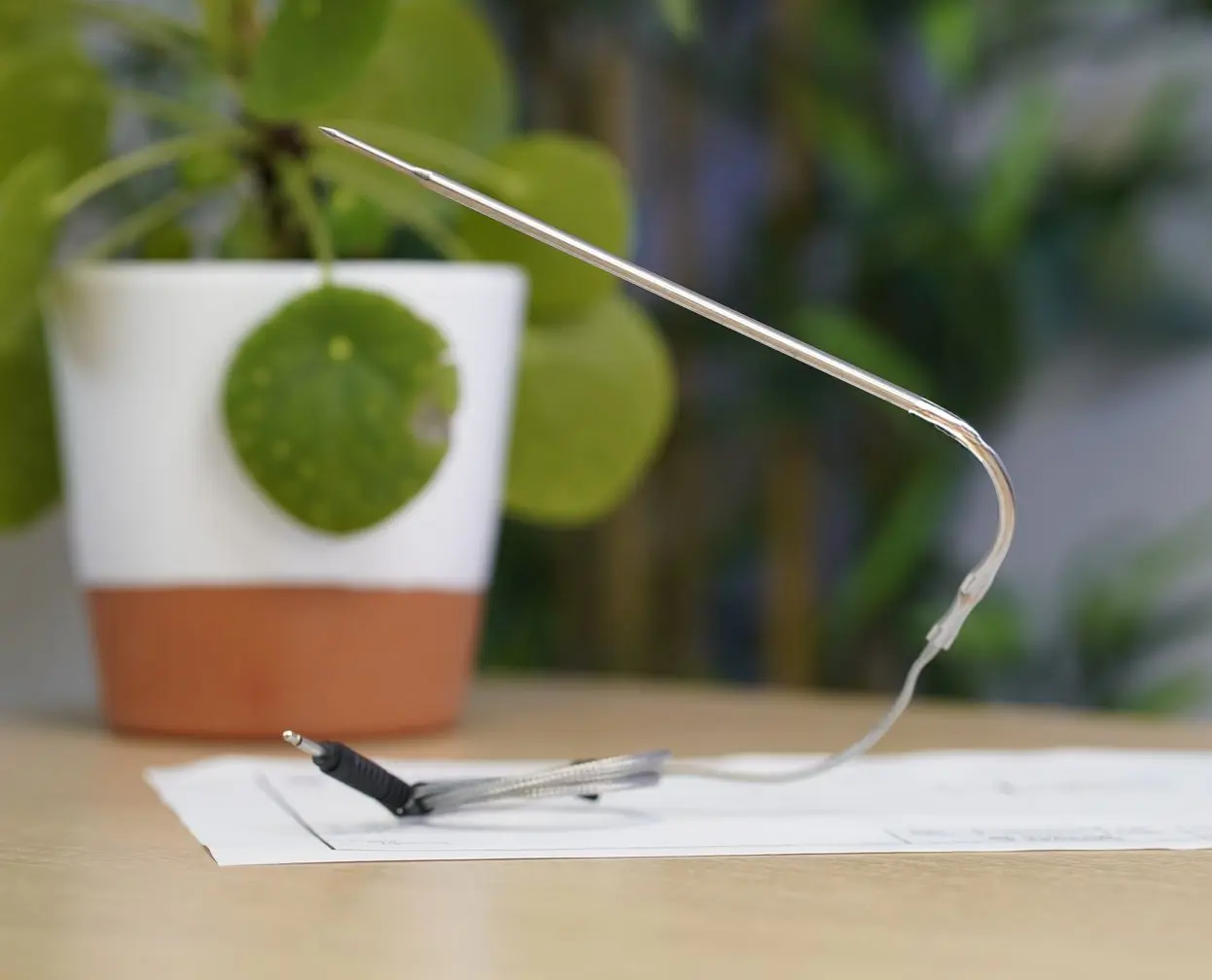
These probes are designed to be inserted directly into the material, whether solid, pasty, or semi-liquid. They offer precise and rapid readings, ideal for quality control, cooking monitoring, or laboratory measurements.
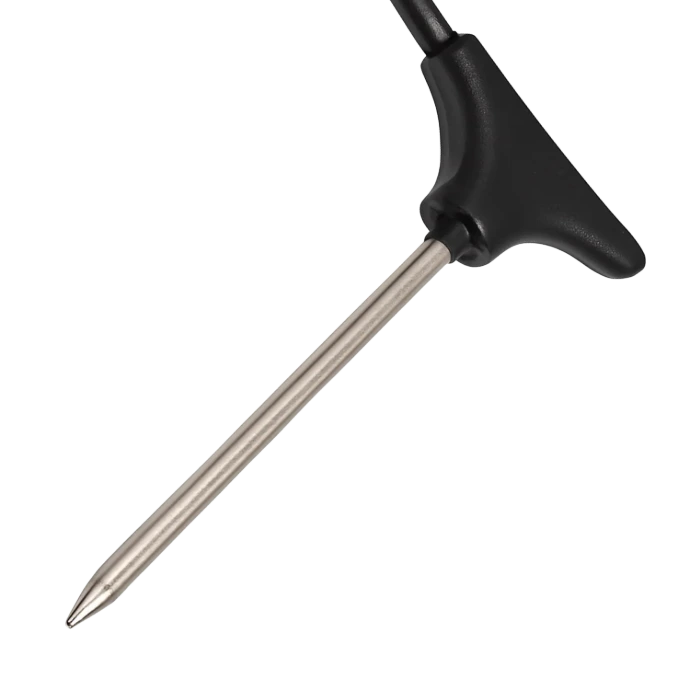
Minimum diameter
3,6mm
Minimum temperature
-50°C
Maximum temperature
+280°C
Minimum order
200€
Delivery time
≈ 5 week
Price
On request
Sensors available
All
Maximum waterproofing
IP68
Where are the pricking probes used ?
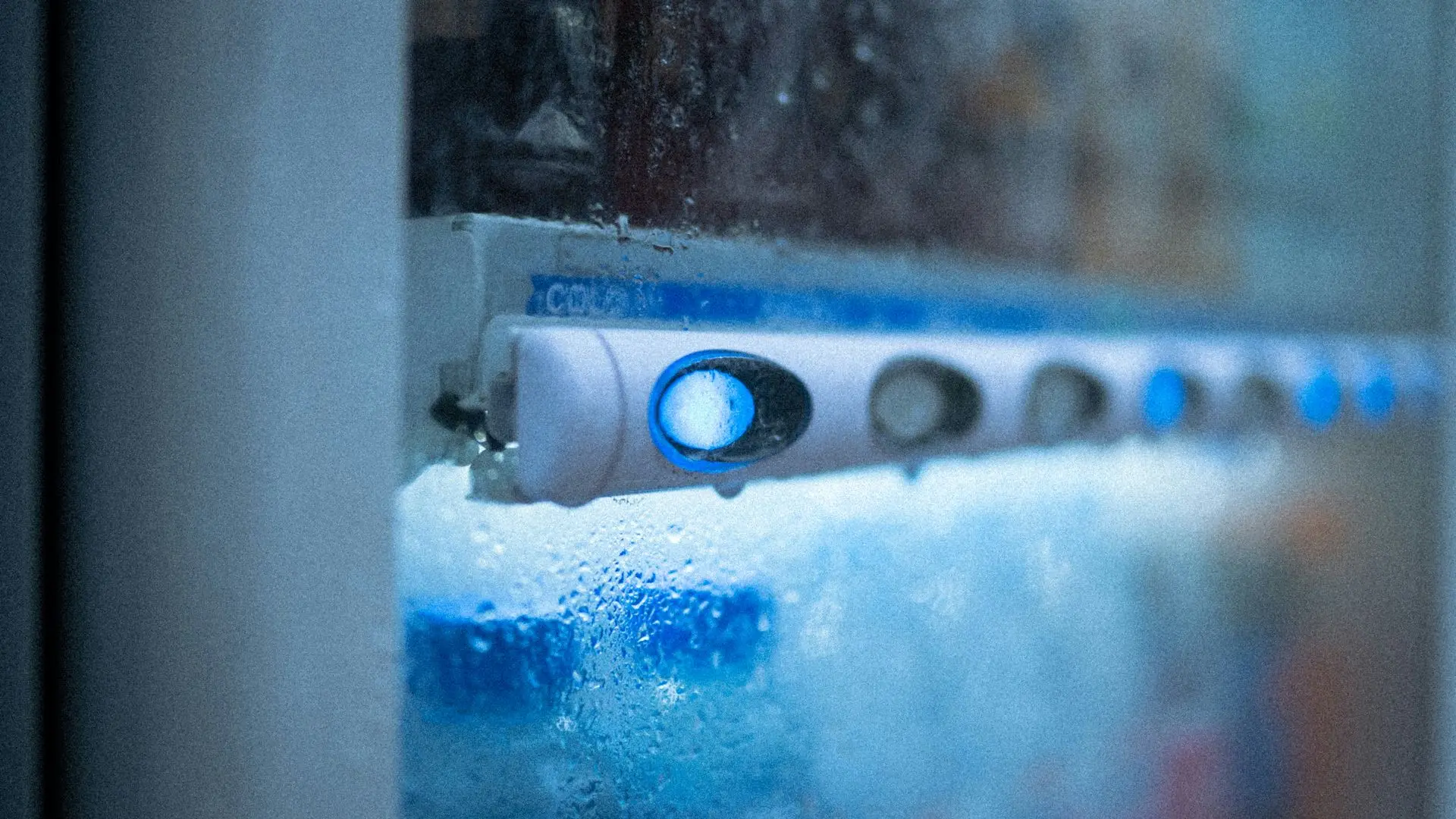
Cold chain
Spot-checking the internal temperature of stored or transported products without damaging them.
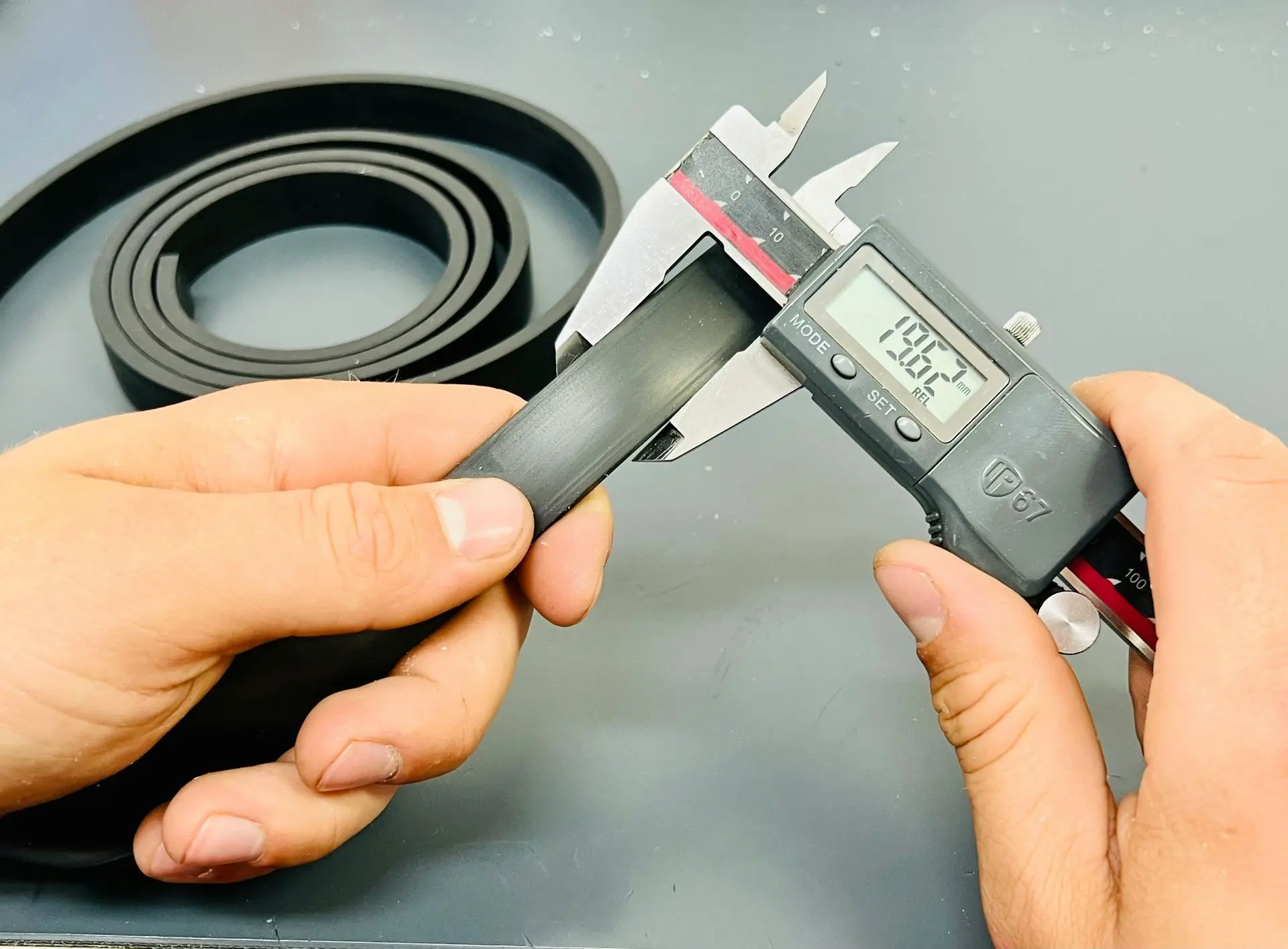
Industrial processes
Probe plastics, composites, or textiles during production, molding, or cooling.

Agricultural applications
To monitor the temperature of fodder, grains, or composts, and prevent overheating.
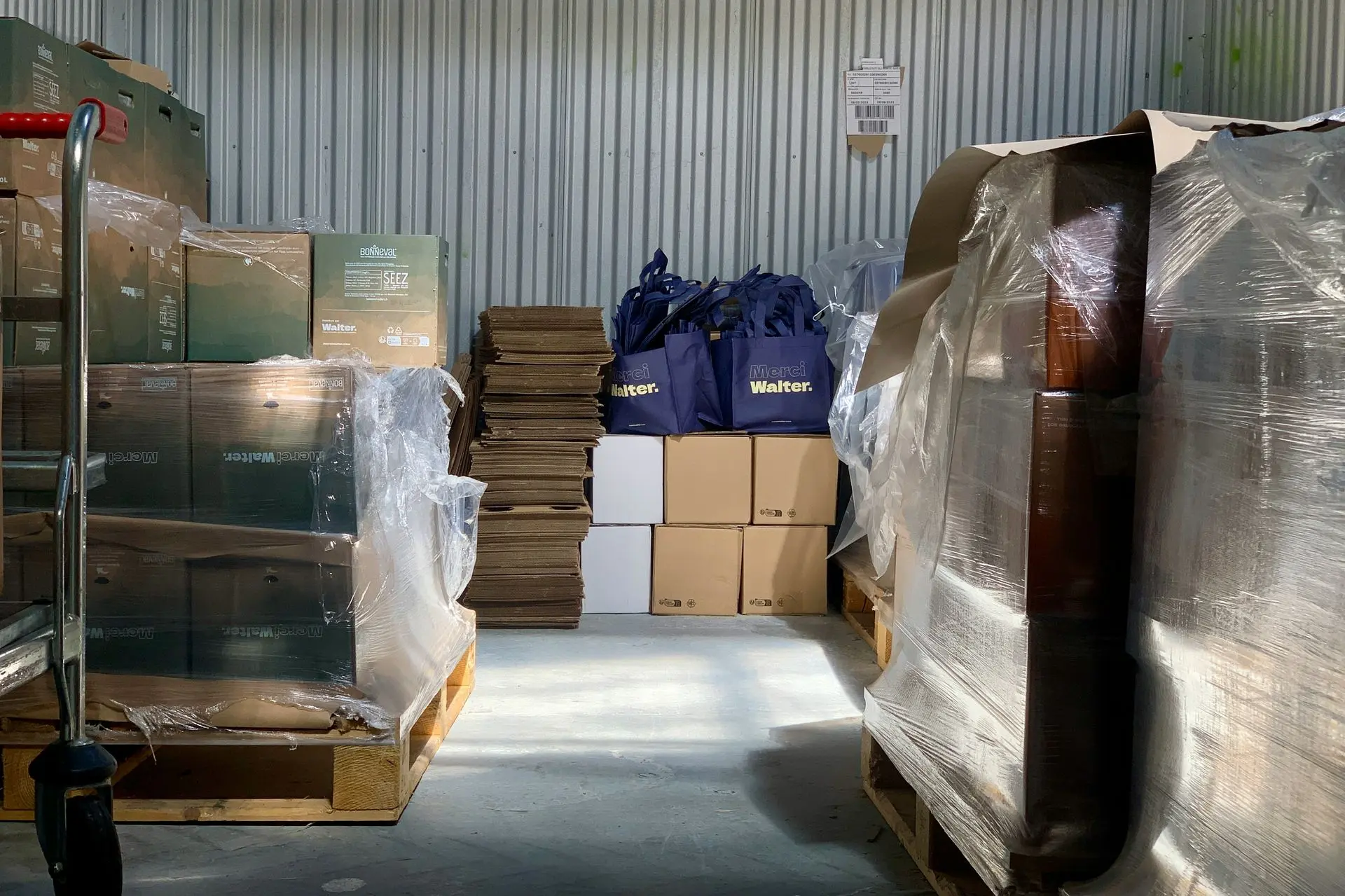
Reception control
To check the temperature of sensitive products upon arrival without opening the packaging (food, pharma…).
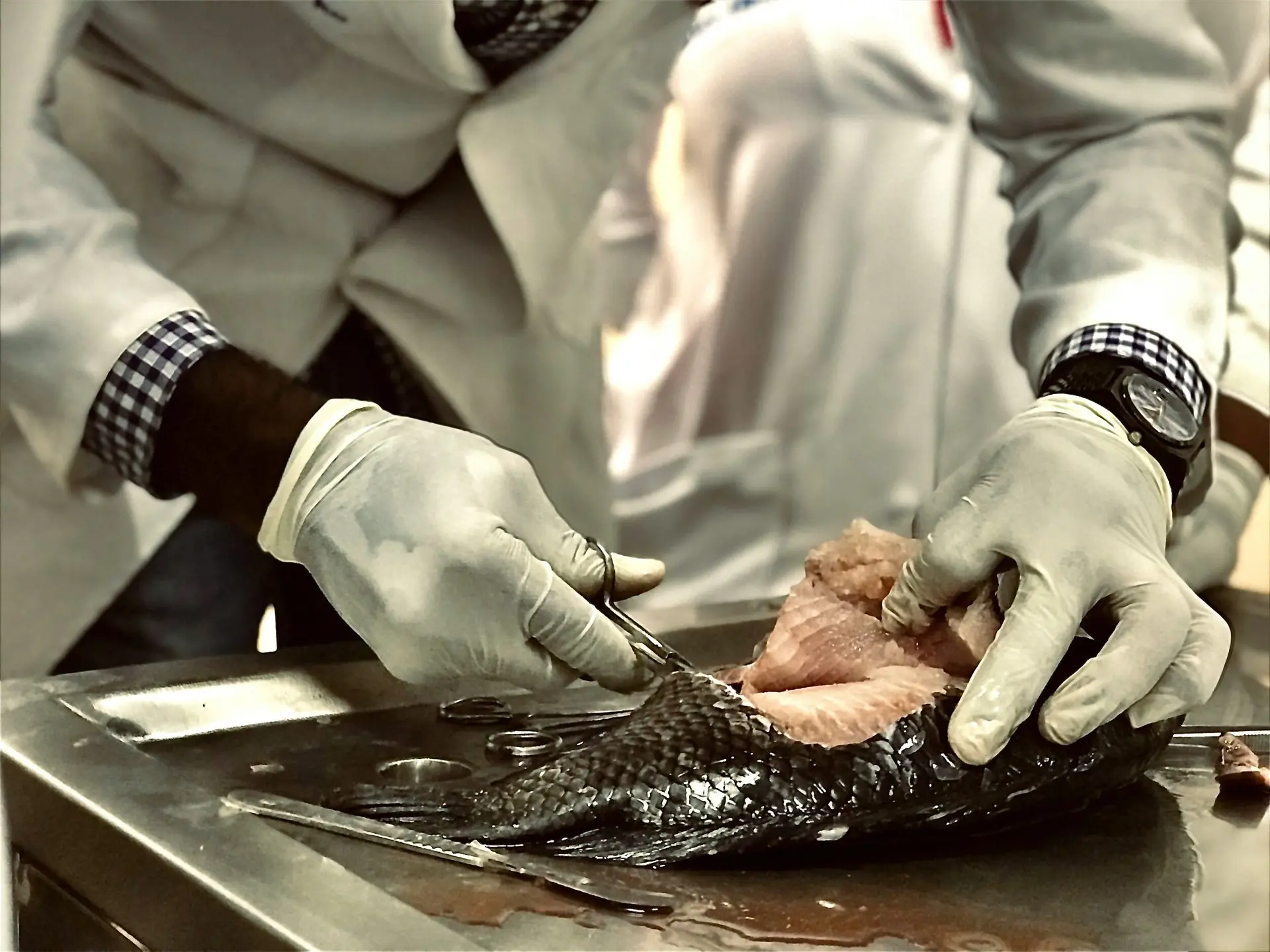
Cooking and food control
Used to probe meats, fish, pasta, or prepared dishes to ensure even cooking or check the core temperature.
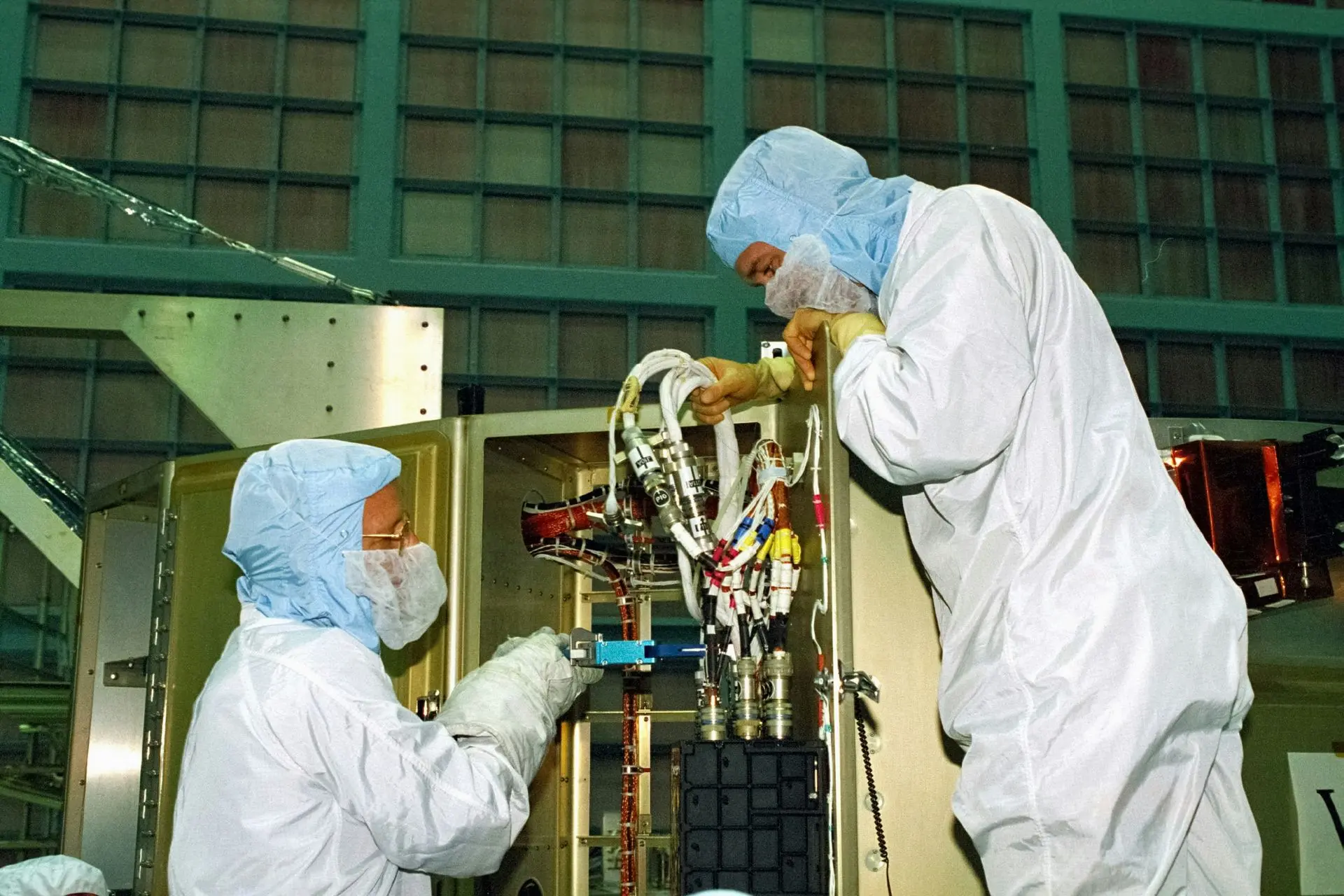
Laboratory and testing
Used to measure the temperature inside solid or semi-solid samples during analyses or technical tests.
Get an offer
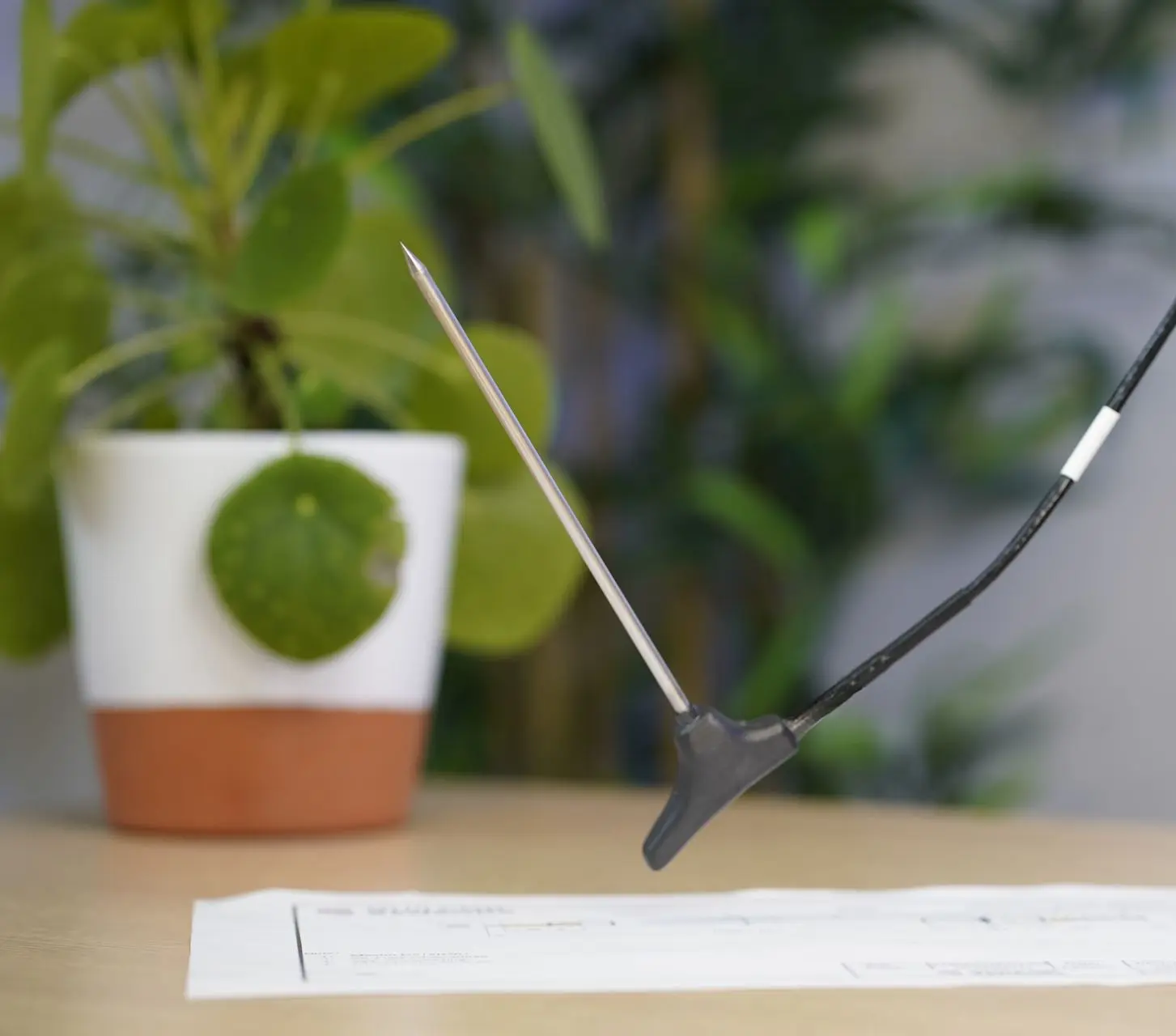
Why choose an insertion temperature probe ?
The insertion probe is designed to measure the core temperature of the material quickly and accurately. It is an essential tool for quality control, food safety, and non-destructive internal measurements.
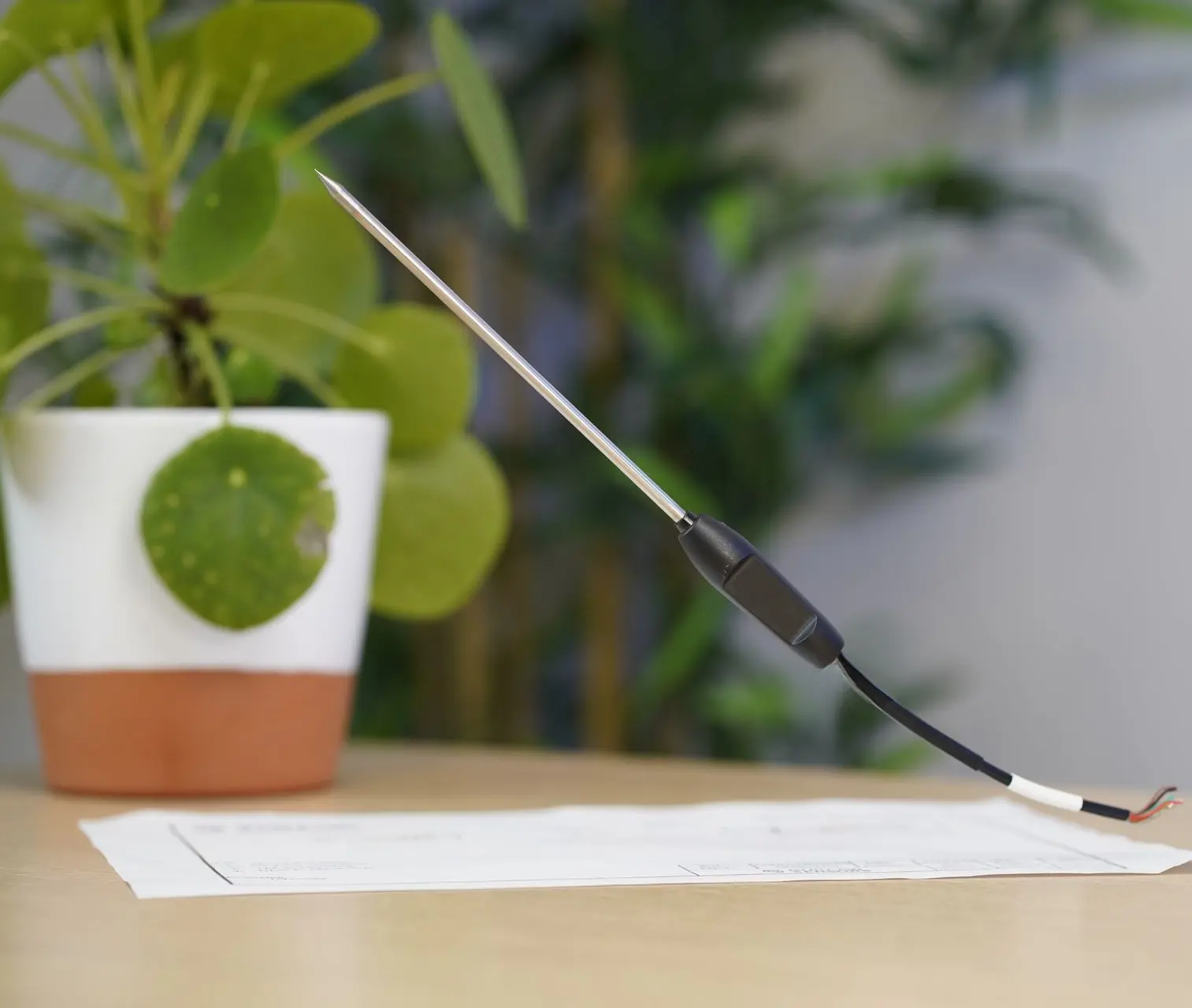
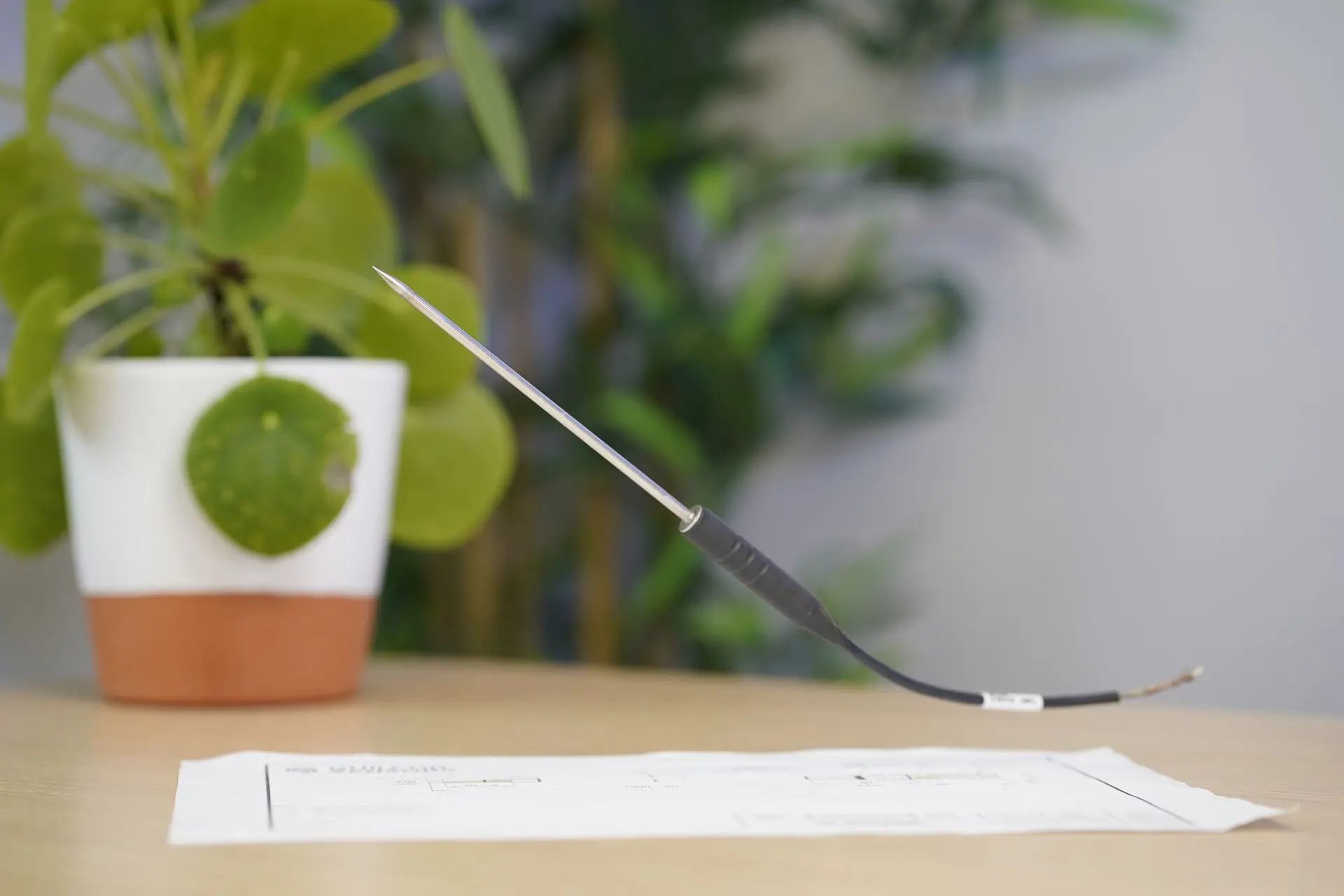
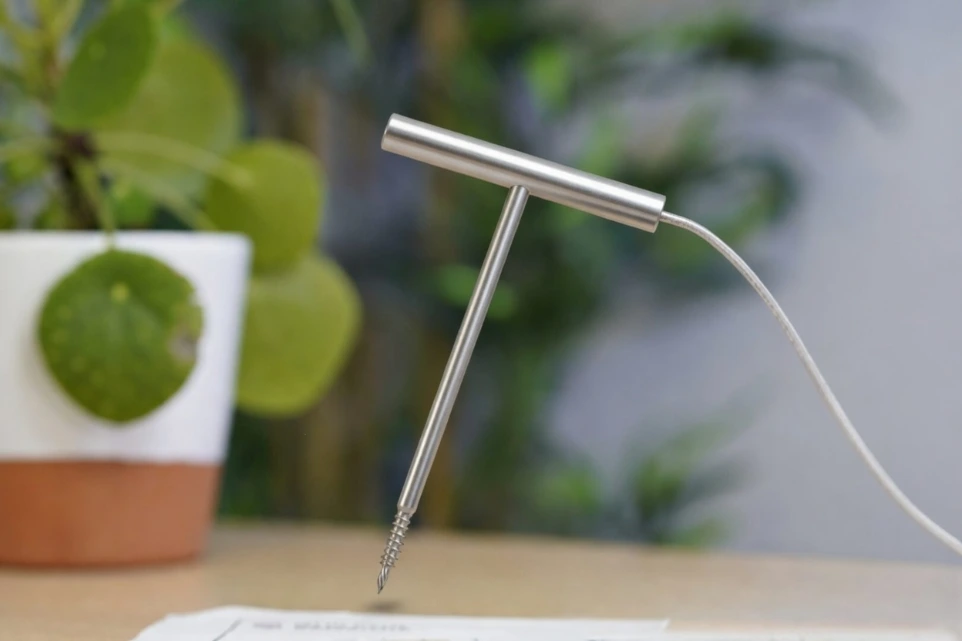
Core measurement
The probe inserts into the material to measure the actual internal temperature, where a surface probe would be inaccurate.
Fast reading
Designed to react quickly, it allows measurements in seconds, ideal for on-line or field checks.Hygiene and safety
Made from materials that are easy to disinfect, it complies with food and pharmaceutical industry standards.
Without altering the product
It allows precise verification without dismantling, piercing packaging, or interrupting the process. Non-destructive, yet highly effective.